
Last Updated: March 12, 2026
Best Dog Probiotics – Top Picks for Digestive & Immune Support
Our top recommended dog probiotics to support digestion, immunity, stool quality, and overall gut health.

Last Updated: March 12, 2026
Best Dog Probiotics – Top Picks for Digestive & Immune Support
Top Recommended Dog Probiotics
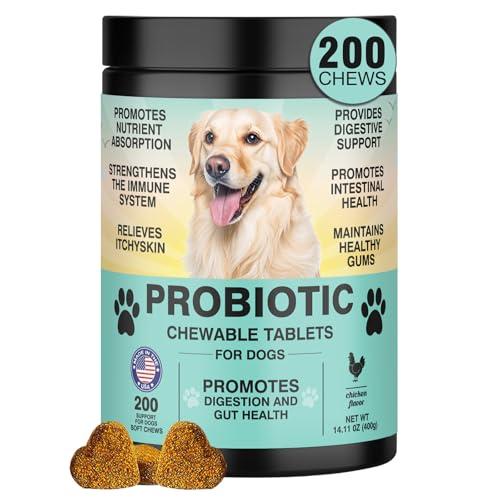
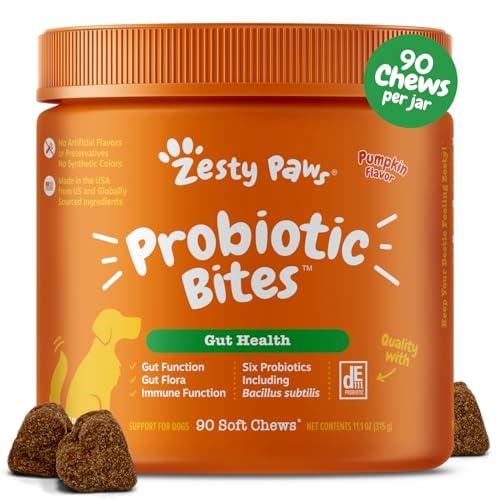
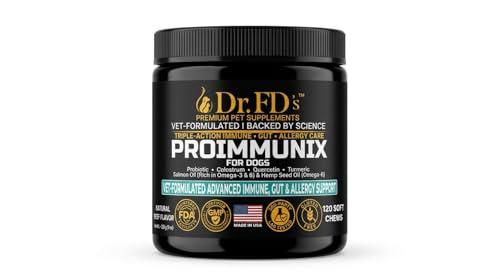
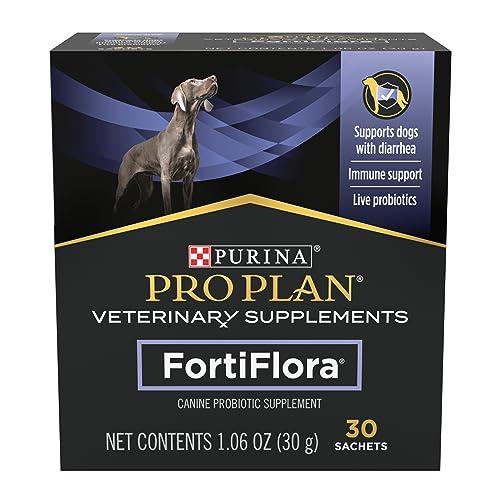
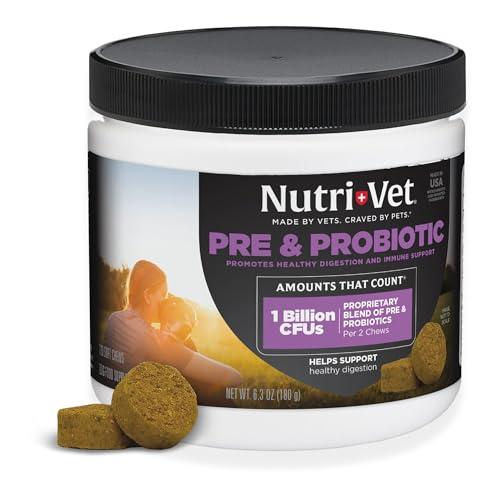
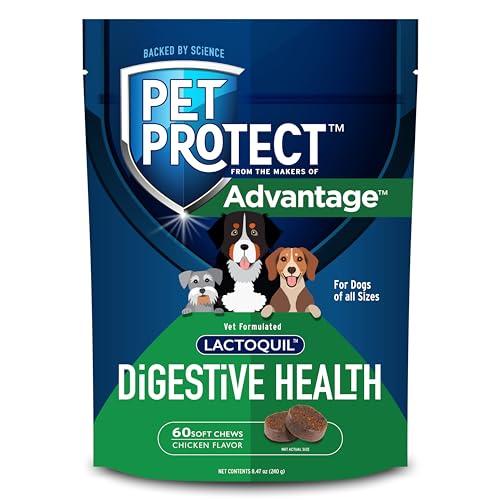
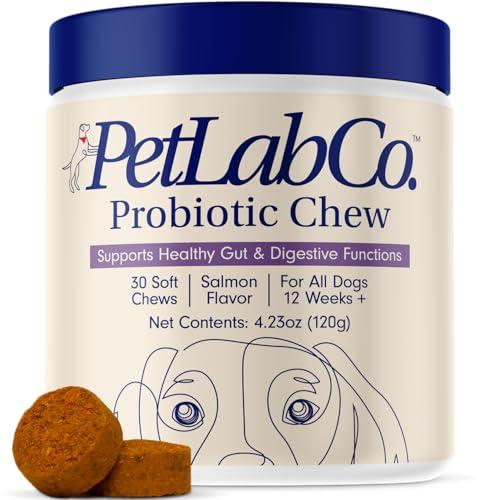
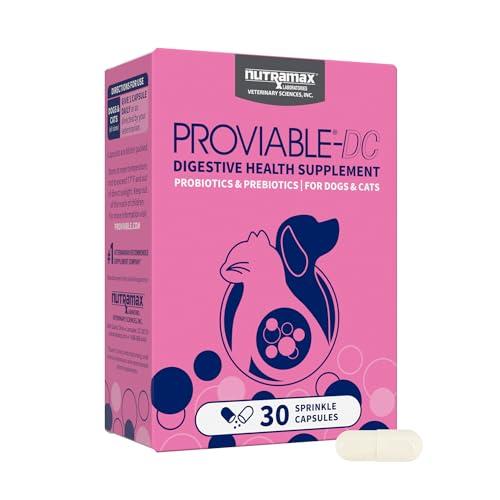
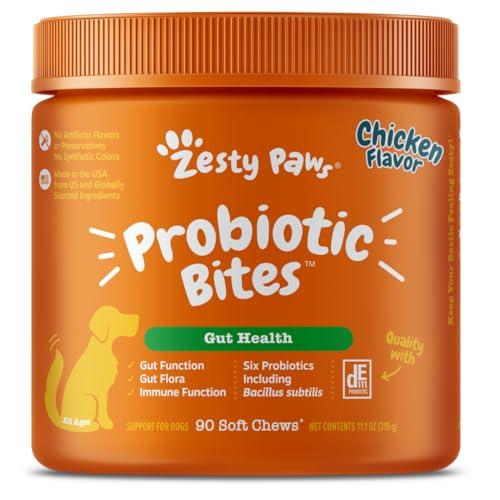
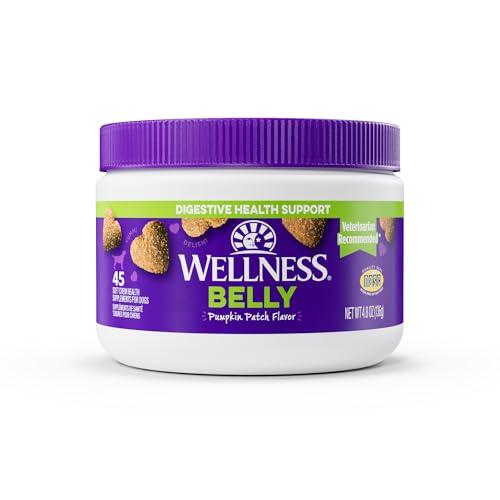
How to Choose the Best Dog Probiotics
Choosing the right probiotic can dramatically improve your dog’s digestion, stool consistency, skin health, and immune function. Here’s what to look for when comparing the best dog probiotics.
CFU Count (Colony Forming Units)
CFUs indicate how many live microorganisms are in each serving. For most healthy dogs, a moderate CFU count works well, while dogs with chronic issues may benefit from higher ranges.
- •Look for 1–3 billion CFUs for everyday maintenance
- •5–10 billion CFUs or more may help with chronic digestive problems
- •Strain quality matters more than the highest possible CFU number
Important Probiotic Strains for Dogs
Certain probiotic strains have been studied more extensively in dogs and are commonly used in the best dog probiotics.
- •Lactobacillus acidophilus for digestion and nutrient absorption
- •Bifidobacterium animalis for stool quality and regularity
- •Bacillus subtilis, including DE111, for immune and gut support
- •Enterococcus faecium, frequently used in vet-approved formulas
Prebiotics to Look For
Prebiotics are fibers that feed the beneficial bacteria in your dog’s gut, helping probiotics work more effectively.
- •Common prebiotics include inulin, chicory root, and FOS
- •Pumpkin and other fibrous ingredients can also act as prebiotics
- •Probiotic and prebiotic combinations (synbiotics) often perform better than probiotics alone
Best Format for Your Dog
The right format depends on your dog’s preferences and any health issues that might make swallowing or chewing difficult.
- •Soft chews are treat-like and easy for most dogs
- •Powders mix into wet or dry food with minimal fuss
- •Capsules can be hidden in food or opened and sprinkled
- •Liquids are ideal for puppies, seniors, and very small dogs
Ingredients to Avoid
The best dog probiotics focus on active ingredients and keep unnecessary fillers to a minimum.
- •Avoid artificial flavors and dyes where possible
- •Limit or skip corn, soy, and wheat if your dog is sensitive
- •Watch for added sugars or chemical preservatives
When to Choose Vet-Recommended Options
Some digestive issues are more complex and should be handled with the guidance of a veterinarian.
- •Consult your vet if your dog has chronic diarrhea, vomiting, or weight loss
- •Vet-recommended products like Purina FortiFlora or Nutramax Proviable are often used in medical cases
- •Always introduce probiotics gradually to reduce the risk of temporary gas or bloating
Frequently Asked Questions
Many dogs show digestive improvement within 3–5 days, with stool firming and less gas. Allergy and immune-related benefits can take one to three weeks of consistent daily use.