
Last Updated: March 12, 2026
Best Yoga Mats – Elevate Your Practice with Comfort and Style
Discover how to choose the perfect yoga mat for comfort, durability, and style in our comprehensive guide.
Last Updated: March 12, 2026
Best Yoga Mats – Elevate Your Practice with Comfort and Style
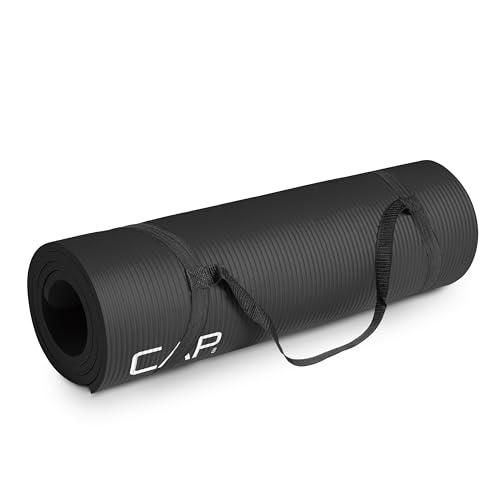
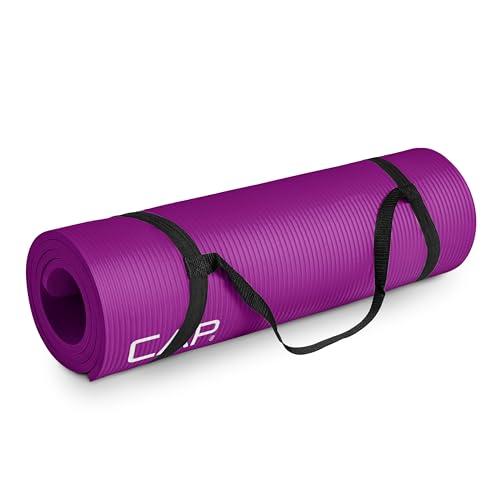
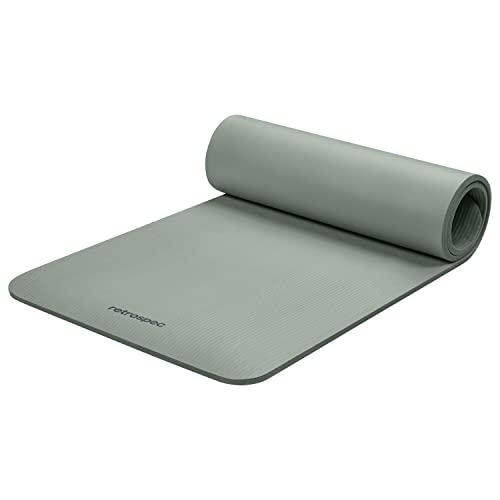
Top Recommended Yoga Mats
How to Choose the Best Yoga Mat
When selecting a yoga mat, consider factors such as material, thickness, grip, portability, and environmental impact. These elements will determine how comfortable and supportive your mat will be during your practice.
Material and Durability
Yoga mats come in various materials, including PVC, rubber, cork, and TPE. PVC mats are durable and provide excellent grip, but they are not eco-friendly. Rubber and cork mats are more sustainable and offer good traction, ideal for those concerned about the environment. TPE mats are lightweight and biodegradable, making them another eco-friendly option. Consider your priorities—whether it's longevity, environmental impact, or comfort—and choose a material that aligns with your values.
Thickness and Comfort
The thickness of a yoga mat affects comfort and support. Standard mats are about 1/8 inch thick, providing a balance between stability and cushioning. Thicker mats, around 1/4 inch, offer more cushioning for sensitive joints but may compromise stability in certain poses. If portability is a priority, consider a thinner mat for easier transport. Assess your personal comfort needs and the types of poses you practice regularly to determine the ideal thickness.
Grip and Texture
Grip is crucial for maintaining stability during poses. Mats with textured surfaces provide better traction, preventing slipping even in sweaty conditions. Natural rubber and cork mats typically offer superior grip compared to smoother PVC mats. Consider your practice style—if it's vigorous or involves hot yoga, prioritize a mat with excellent grip to enhance your safety and performance.
Size and Portability
Standard yoga mats are typically 68 inches long and 24 inches wide, suitable for most users. However, taller practitioners might prefer extra-long mats for more coverage. If you travel frequently, look for a lightweight and foldable mat that fits easily into your bag. Balancing size and portability ensures you have the necessary space for practice without compromising convenience.
Eco-Friendliness
Eco-conscious yogis can choose from mats made with sustainable materials like natural rubber, jute, or cork. These options minimize environmental impact without sacrificing performance. Look for mats labeled as biodegradable or free from harmful chemicals to ensure a safe and eco-friendly choice. Supporting eco-friendly products aligns your practice with your environmental values.
Budget and Brand
Yoga mat prices vary widely depending on quality, brand, and material. While premium brands offer mats with advanced features and durability, there are also budget-friendly options that perform well. Consider reputable brands known for quality and customer satisfaction, but don't hesitate to explore lesser-known options that might offer great value at a lower price point. Balance your budget with the features you prioritize for a smart purchase.
Frequently Asked Questions
Standard mats are 1/8 inch thick, offering a balance of comfort and stability. Thicker mats (1/4 inch) are better for joint cushioning, while thinner mats are more portable.